

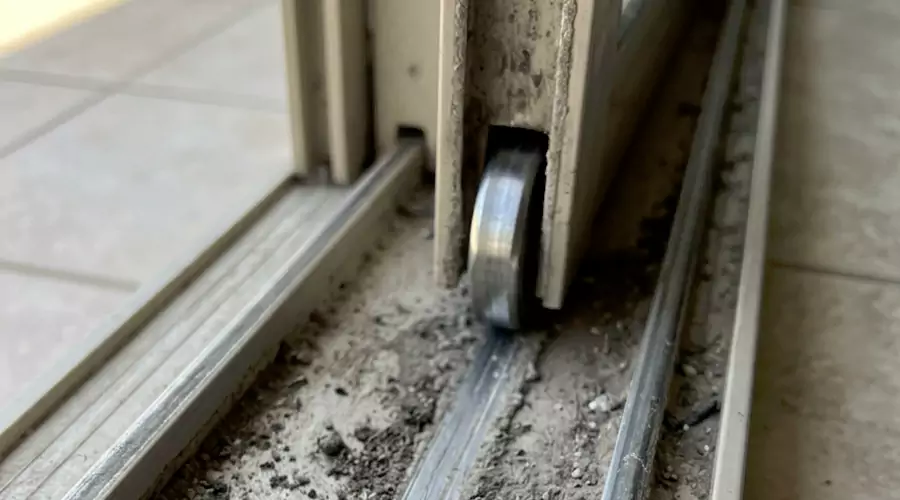

Sliding glass doors are a popular feature in many homes because they provide easy access to outdoor spaces while allowing natural light to enter. However, the smooth operation of a sliding door depends heavily on the condition of its track. The track serves as the pathway that guides the door during opening and closing. When it becomes damaged or worn, the entire door system can suffer.
Recognizing the early signs of track damage can help homeowners address issues before they lead to costly repairs or complete door replacement. In this guide, we will discuss the most common signs that indicate your sliding door track may need professional repair.
Why the Sliding Door Track Is Important?
The track is designed to support and guide the movement of the sliding door. It works together with the rollers underneath the door to ensure smooth and stable operation.
A properly functioning track helps:
- Maintain door alignment
- Reduce wear on rollers
- Allow effortless movement
- Support secure locking
- Prevent unnecessary strain on door components
When the track becomes damaged, these functions can be compromised.
Common Signs Your Sliding Door Track Needs Repair
1. Difficulty Opening or Closing the Door
One of the first indicators of track problems is increased resistance when operating the door.
You may notice:
- The door feels heavy
- More force is required to move it
- The door sticks during operation
- Opening and closing become inconsistent
While dirty tracks can sometimes cause similar issues, persistent resistance often points to track damage that requires repair.
2. Visible Dents or Bends in the Track
Physical damage to the track can interfere with smooth door movement.
Inspect the track for:
- Dents
- Warped sections
- Bent edges
- Crushed areas
- Uneven surfaces
Even minor damage can affect how the rollers travel along the track. Over time, these imperfections may worsen and create additional strain on the door system.
3. Grinding or Scraping Sounds
Sliding doors should move quietly and smoothly.
Unusual noises such as:
- Grinding
- Scraping
- Squeaking
- Metal-on-metal sounds
It can indicate that the rollers are struggling to move across a damaged track.
Ignoring these sounds may lead to further wear on both the rollers and the track.
4. Excessive Track Wear
Over time, regular use can cause visible wear on the track surface.
Look for signs such as:
- Deep grooves
- Scratches
- Surface erosion
- Metal shavings
- Uneven wear patterns
These conditions often develop when damaged rollers or excessive pressure cause friction against the track.
5. The Door Comes Off Track
A sliding door should remain securely positioned within its track system.
If the door:
- Frequently jumps off track
- Feels unstable
- Appears loose during operation
- Requires frequent repositioning
there may be structural damage affecting the track.
A compromised track can create safety concerns and should be addressed promptly.
6. Misalignment of the Door
Track problems can affect the overall alignment of the sliding door.
Common symptoms include:
- Uneven gaps around the frame
- Difficulty locking the door
- The door appearing tilted
- One side dragging more than the other
Misalignment often develops when sections of the track become damaged or worn.
7. Water Accumulation in the Track
Sliding door tracks often include drainage channels designed to direct water away from the door.
Problems may arise if you notice:
- Standing water
- Moisture buildup
- Water leaking indoors
- Mold growth near the track
Damaged tracks or blocked drainage systems can allow water to collect and potentially damage surrounding materials.
8. Rust and Corrosion
Moisture exposure can gradually lead to rust formation on metal tracks.
Signs of corrosion include:
- Rust spots
- Flaking metal
- Discoloration
- Rough track surfaces
Corrosion can weaken the track structure and interfere with smooth roller movement.
9. Uneven Door Movement
A properly functioning sliding door should glide consistently from one end of the track to the other.
Track damage may cause:
- Jerky movement
- Sudden stops
- Uneven sliding
- Vibrations during operation
These symptoms often indicate worn or damaged sections along the track.
10. Difficulty Locking the Door
Track issues can affect the alignment between the door and locking mechanism.
You may experience:
- Locks that do not engage properly
- Difficulty securing the door
- Misaligned latch points
- Increased force needed to lock the door
Since security is an important function of any sliding door, these problems should not be ignored.
Common Causes of Sliding Door Track Damage
Heavy Use
Sliding doors that are opened and closed frequently experience more wear over time.
High traffic areas may accelerate:
- Surface wear
- Roller strain
- Structural fatigue
Dirt and Debris Buildup
Dust, sand, leaves, and other debris can accumulate inside the track.
This buildup can:
- Increase friction
- Damage rollers
- Create uneven movement
- Contribute to track wear
Impact Damage
Tracks may become bent or dented if:
- Heavy objects are dropped nearby
- Furniture strikes the track
- Excessive force is used on the door
Even small impacts can affect performance.
Moisture Exposure
Water intrusion can contribute to:
- Corrosion
- Rust formation
- Drainage issues
- Structural weakening
Homes in humid climates often experience increased moisture-related track problems.
How to Inspect Your Sliding Door Track?
Performing routine inspections can help identify issues early.
Check for:
- Visible dents or bends
- Debris accumulation
- Signs of corrosion
- Uneven wear patterns
- Water drainage problems
- Damage around corners and joints
A visual inspection every few months can help prevent more serious repairs later.
When to Schedule Professional Sliding Door Track Repair?
Professional repair may be necessary when:
- The track is visibly damaged
- The door repeatedly sticks or jams
- The door comes off track
- Locking problems persist
- Water leaks develop around the door
- Cleaning no longer improves performance
A trained technician can assess the extent of the damage and determine whether repair or replacement is the best solution.
Benefits of Timely Track Repair
Improved Door Performance
A repaired track allows the door to move more smoothly and efficiently.
Extended Component Lifespan
Proper track condition reduces wear on:
- Rollers
- Locks
- Handles
- Door frames
Better Safety and Security
A stable track helps ensure the door remains secure and properly aligned.
Prevention of Costly Repairs
Early repairs can prevent more extensive damage that may require complete door replacement.
Final Thoughts
The sliding door track is one of the most important components of a sliding glass door system. When the track becomes damaged, worn, or misaligned, it can affect everything from door operation to home security. Common warning signs include difficulty opening the door, unusual noises, visible track damage, uneven movement, and locking problems.
Regular inspections and maintenance can help identify issues early, allowing homeowners to address repairs before they become major concerns. By taking action when the first signs of track damage appear, you can maintain smooth door operation and extend the life of your sliding door system.
 Reviews
 (551)
(551)